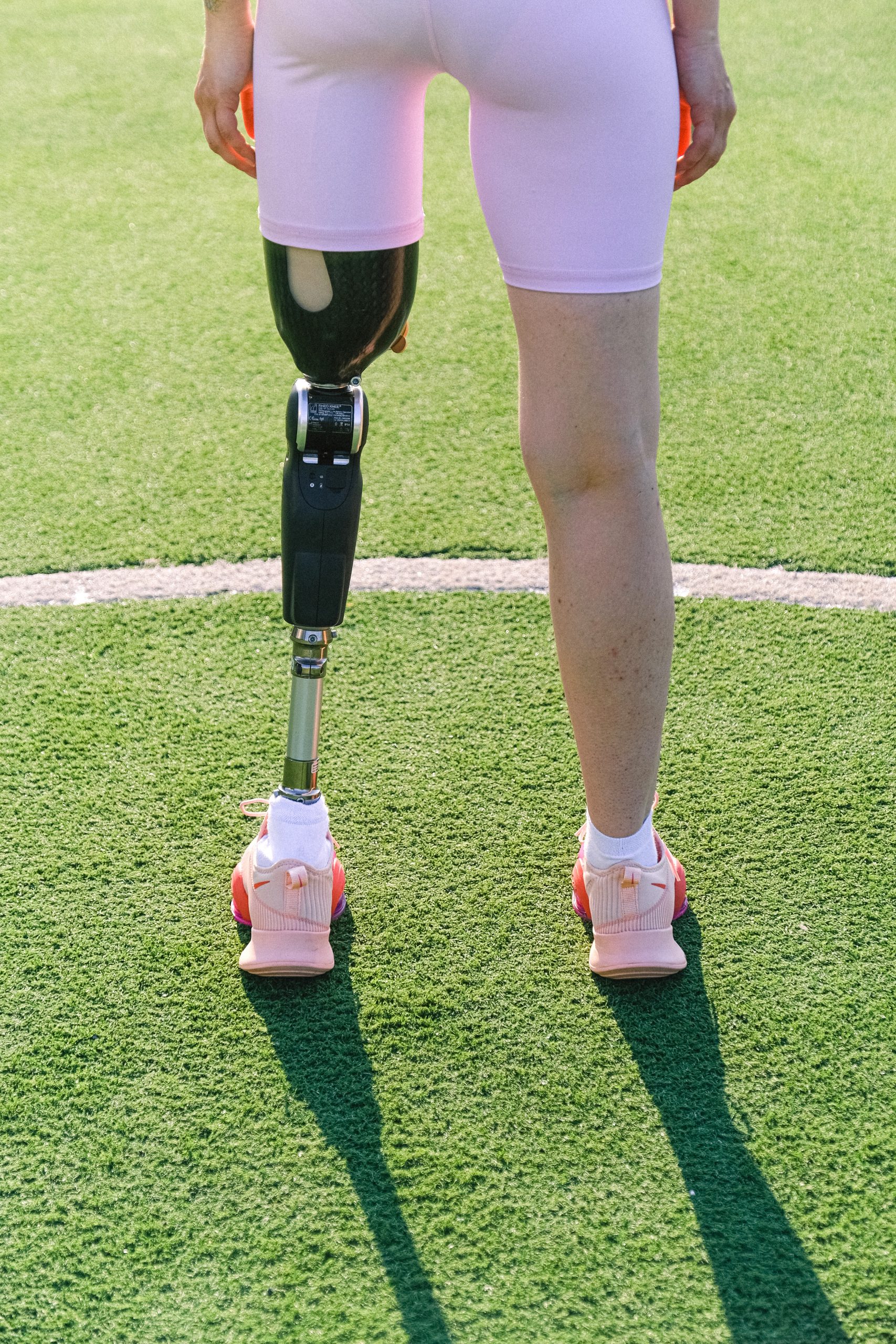
Doctors save lives, physiotherapists make them worth living.
Physiotherapy
Neurology Physiotherapy
Don’t miss the golden window of opportunity.
Early intervention is key to recovery.
Studies shows that physiotherapy as early as possible is important.
When you experience an injury or illness, your body goes through a process of repair and regeneration. This process is called neuroplasticity.
Neuroplasticity is the ability of the nervous system to change and adapt.
Conditions
- Stroke
- Traumatic Brain Injuries
- Parkinson’s Disease
- Spinal Cord Injuries
- Multiple sclerosis
Physiotherapy can
- Improve walking ability
- Improve balance
- Reduce pain and spasticity
- Improve quality of life
- Increase independence
Early intervention of physiotherapy can help to promote neuroplasticity by:
- Exercise: Exercise helps to stimulate the nerves and promote the growth of new neural connections. This is because exercise requires the brain and body to work together. When we exercise, we are sending signals from the brain to the muscles, and the muscles are sending signals back to the brain. This communication helps to create new neural connections.
- Stretching: Spasticity is a condition that causes muscles to become stiff and tight. It can be caused by a number of things, such as brain injury, spinal cord injury, or stroke. Stretching can help to reduce the reflex of spasticity by relaxing the muscles, breaking up scar tissue, increasing blood flow, and retraining the brain. When we stretch, we are putting the muscles and joints under a controlled amount of stress. This stress helps to stimulate the nerves and promote the growth of new neural connections. It is important to note that stretching should be done gently and gradually in people with spasticity. Too much stretching can actually make spasticity worse.
- Electrical stimulation: Electrical stimulation can help to stimulate the nerves and muscles. This is because electrical stimulation sends a signal to the nerves, which can help to improve muscle function.
Start your neuroplasticity today !
Post operation physiotherapy
I can help you with seamless transition of quality care from hospital to home.
Coming home after surgery can be challenging.
You may experience pain, limited movement, and difficulty with everyday tasks like going to the bathroom. Your family may not know how to help you correctly.
I am a physiotherapist with years of experience working in a busy private hospital, where I have seen post-operation patients from all walks of life on a daily basis. I know how frustrating it can be to adjust to life after surgery, and I am here to help you every step of the way.
I can help you manage your pain, improve your mobility, and regain your independence. I can also provide education and support to your family so they can help you as effectively as possible. I will come home with you to help you regain your routine as quickly as possible.
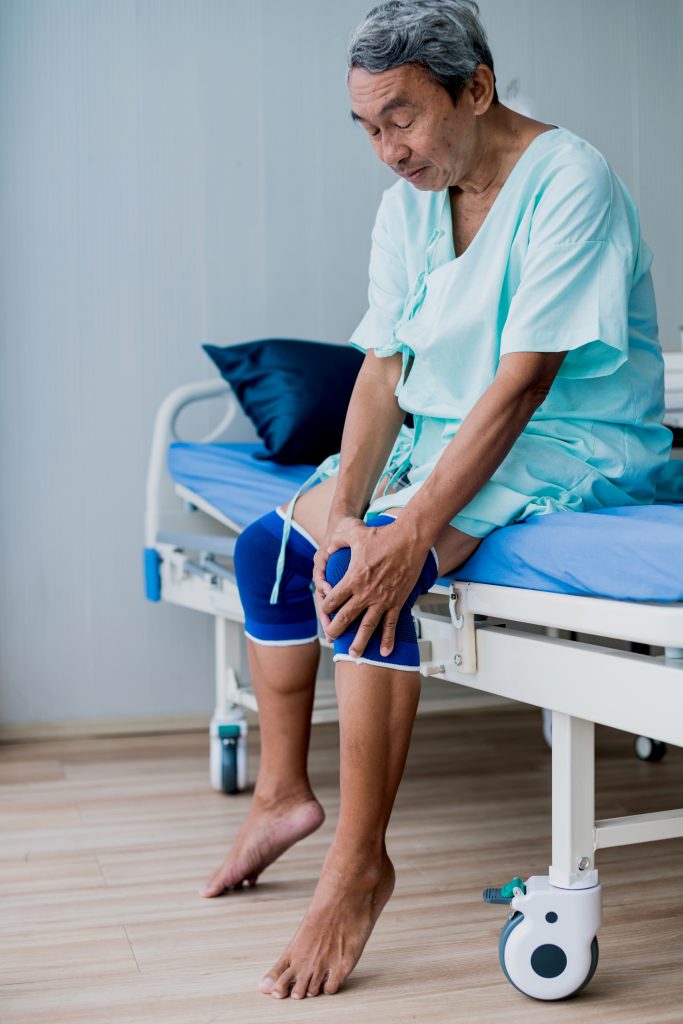
Postoperative physiotherapy is an evidence-based intervention that can help to improve pain relief, mobility, and function after surgery.
Here are some of the recent evidence supporting the role of physiotherapy after surgery:
- A systematic review of 13 studies found that physiotherapy after total knee replacement surgery was effective in reducing pain, improving range of motion, and increasing function.
- A randomized controlled trial of 100 patients who had undergone hip replacement surgery found that those who received physiotherapy had significantly better pain relief and function at 6 weeks and 12 months after surgery.
- A study of 50 patients who had undergone surgery for rotator cuff tears found that those who received physiotherapy had significantly better pain relief and function at 12 months after surgery.
These studies suggest that physiotherapy is an effective intervention for improving the outcomes of surgery.
If you are planning to have surgery, talk to your doctor about whether physiotherapy is right for you.
Common surgeries / procedures that require rehabilitation after discharge:
Orthopaedic
- Hip replacement
- Knee replacement
- Shoulder surgery
- Rotator cuff repair
- Meniscus repair
- ACL reconstruction
- Achilles tendon repair
- Foot and ankle surgery
- Spinal surgery
- Post fracture
- Amputation
Cardiopulmonary
- Coronary artery bypass graft (CABG)
- Heart valve surgery
- Long Covid
- Pneumonia treatment
- COPD treatment
- Heart failure treatment
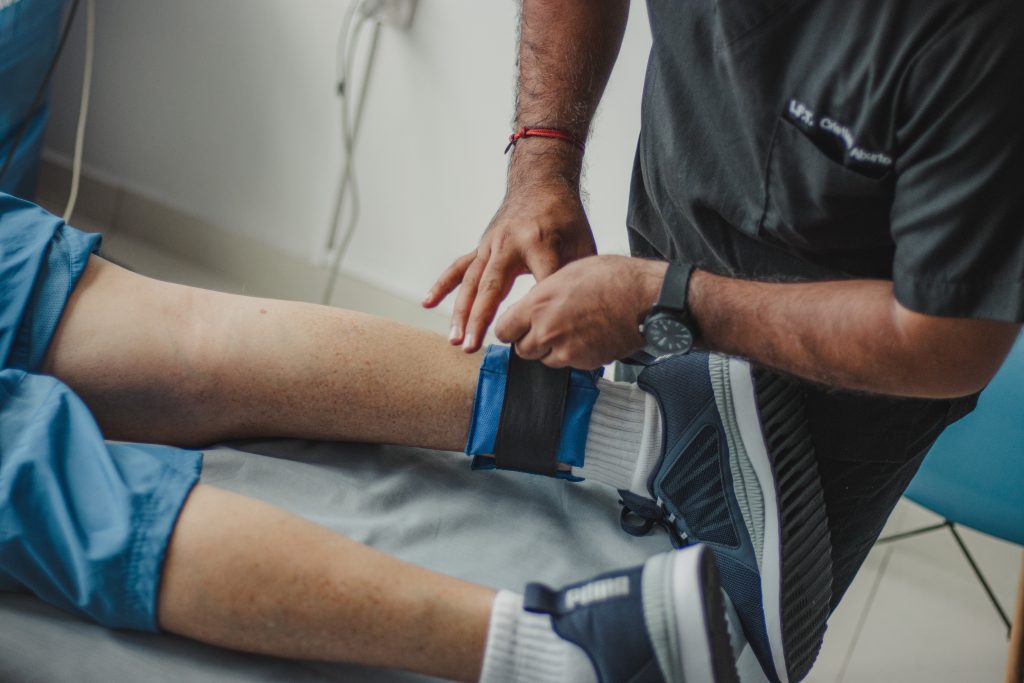
Cardiopulmonary physiotherapy
Breathe better, live better
What is cardiopulmonary physiotherapy ?
Cardiopulmonary physiotherapy is the art and science of helping people breathe and move better.
It can help to improve breathing, exercise capacity, and quality of life for people with a variety of conditions, including:
- Covid
- Pneumonia
- Lung Cancer
- Asthma
- Chronic Obstructive Pulmonary Disease
- Heart Failure
- Post-operative recovery from heart or lung surgery

Breathe better, move better, live better.
How physiotherapy help ?
Breathing exercises
Help to open up the airways, improve lung function, and make it easier to breathe.
Postural drainage
A series of positions that allow the mucus to drain from different areas of your lungs.
Airway clearance techniques
These techniques help to remove mucus and other secretions from the airways, which can also improve breathing and reduce coughing.
Suction
A procedure that uses a vacuum device to remove mucus when a patient is unable to clear their own secretions.
Exercise training
This involves gradually increasing the amount of physical activity that a person can do safely. Exercise training can help to strengthen the heart and lungs, improve cardiovascular health, and increase energy levels.
Relaxation Techniques
Help to reduce stress, anxiety, and pain, all of which can make it easier for patients to breathe and move.
Geriatric Physiotherapy
Your Trusted Partner in Senior Wellness
As we age, our bodies naturally change.
Our muscle strength decreases with age.
Adults lose about 3-8% of their muscle mass per decade after the age of 30. This rate of loss accelerates after the age of 60.
Sarcopenia is a condition characterized by a progressive loss of muscle mass and strength. It is a common problem in older adults, and can lead to a number of health problems, including falls, fractures, and disability.
The loss of muscle mass and strength leads to a decrease in physical function. This means that older adults may have difficulty with activities such as walking, climbing stairs, and lifting objects.
A study published in the Journal of the American Geriatrics Society found that 12 weeks of progressive resistance training (PRT) resulted in significant increases in muscle mass, strength, and function in older adults with sarcopenia.
Geriatric Physiotherapy is not just for seniors who are recovering from injuries or surgeries.
It can also be beneficial for seniors who are simply looking to improve their overall fitness and well-being. If you are an older adult who is struggling with your mobility, balance, or strength, or if you are managing a chronic condition such as arthritis or osteoporosis, physiotherapy can help.
I can help you to develop a safe and effective exercise program, and I can teach you strategies to manage your condition and prevent falls.
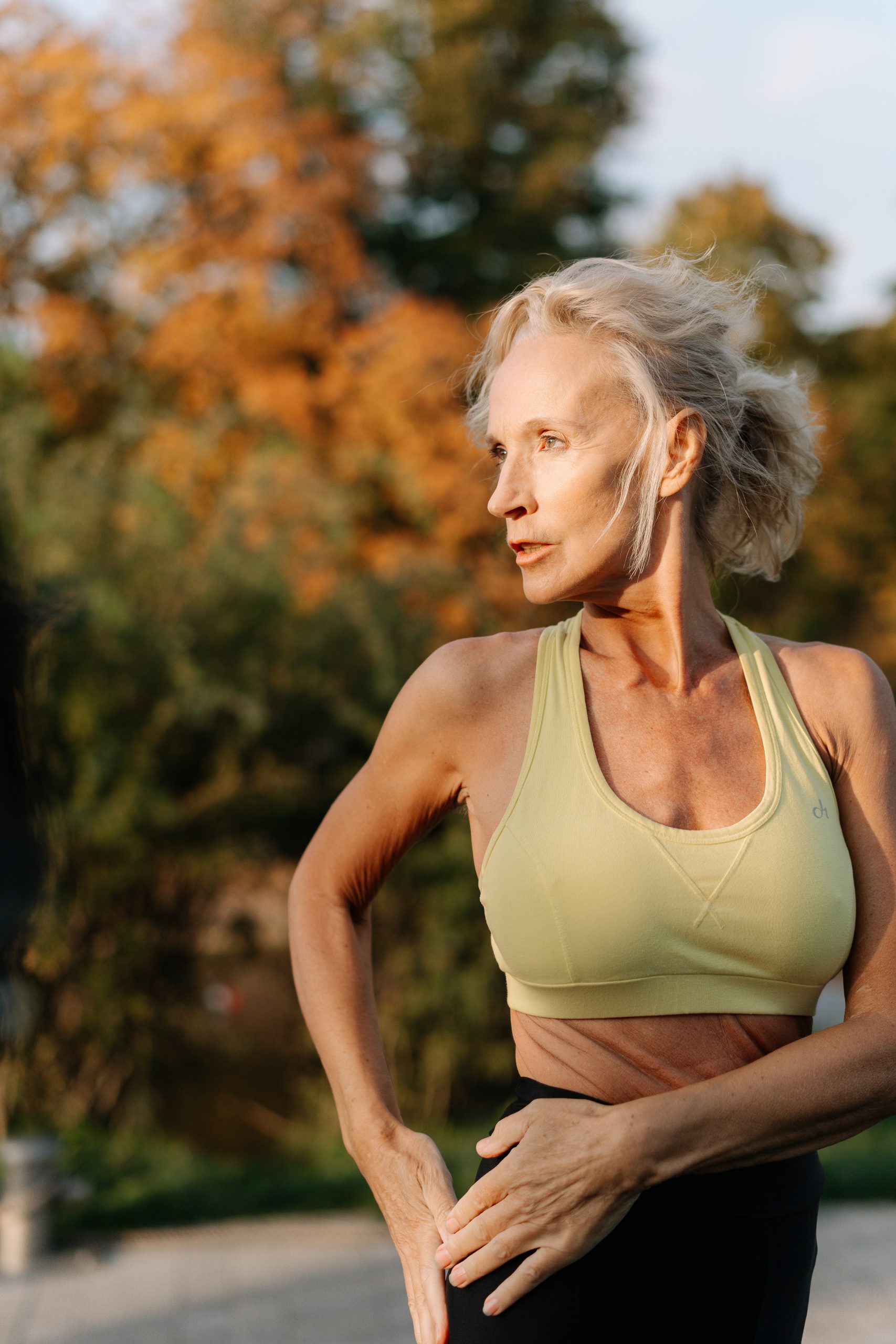
How much can exercise reverse sarcopenia
Exercise is the best way to prevent and reverse sarcopenia. A combination of resistance exercise and aerobic exercise is most effective.
Resistance exercise, also known as strength training, helps to build and maintain muscle mass and strength. Aerobic exercise, such as walking, swimming, and biking, helps to improve cardiovascular health and overall fitness.
Studies have shown that exercise can significantly improve muscle mass, strength, and function in older adults. For example, one study found that older adults who participated in a 12-week resistance training program increased their muscle mass by an average of 10% and their muscle strength by an average of 20%.
Another study found that older adults who participated in a 6-month aerobic exercise program increased their walking speed by an average of 10% and their ability to climb stairs by an average of 20%.
The amount of exercise needed to reverse sarcopenia depends on the individual’s age, health, and fitness level. However, the general recommendation is for older adults to engage in at least 2-3 days of resistance exercise per week and 30 minutes of aerobic exercise most days of the week.
If you are a senior citizen, or if you have a loved one who is a senior citizen, it is important to talk to your doctor about how to get started with an exercise program with your physiotherapist. They can help you to develop a safe and effective plan that is tailored to your individual needs.
Send Us A Message
Get In Touch
flow.lymphedema@gmail.com
Phone
010 2775118
Follow Us
Proudly serving Kepong, Klang Valley, Shah Alam and surrounding communities